The Guardian has published an edited version of Neil Gaiman's lecture for the Reading Agency which was delivered on Monday October 14 at the Barbican in London. The Reading Agency is a charity whose mission is to give everyone an equal chance in life by helping people become confident and enthusiastic readers. He makes a passionate argument for reading and libraries. It's well worth reading. Here's a taste:
Fiction has two uses. Firstly, it's a gateway drug to reading. The drive to know what happens next, to want to turn the page, the need to keep going, even if it's hard, because someone's in trouble and you have to know how it's all going to end … that's a very real drive. And it forces you to learn new words, to think new thoughts, to keep going. To discover that reading per se is pleasurable. Once you learn that, you're on the road to reading everything. And reading is key. There were noises made briefly, a few years ago, about the idea that we were living in a post-literate world, in which the ability to make sense out of written words was somehow redundant, but those days are gone: words are more important than they ever were: we navigate the world with words, and as the world slips onto the web, we need to follow, to communicate and to comprehend what we are reading. People who cannot understand each other cannot exchange ideas, cannot communicate, and translation programs only go so far....
I do not believe that all books will or should migrate onto screens: as Douglas Adams once pointed out to me, more than 20 years before the Kindle turned up, a physical book is like a shark. Sharks are old: there were sharks in the ocean before the dinosaurs. And the reason there are still sharks around is that sharks are better at being sharks than anything else is. Physical books are tough, hard to destroy, bath-resistant, solar-operated, feel good in your hand: they are good at being books, and there will always be a place for them. They belong in libraries, just as libraries have already become places you can go to get access to ebooks, and audiobooks and DVDs and web content. ...
Libraries really are the gates to the future. So it is unfortunate that, round the world, we observe local authorities seizing the opportunity to close libraries as an easy way to save money, without realising that they are stealing from the future to pay for today. They are closing the gates that should be open.
The lecture in the Guardian
Neil Gaiman's website
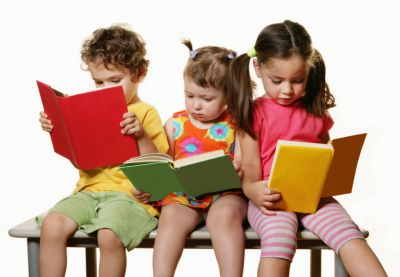
Thanks to Janice Comer for the alert on Facebook. Photo is by Robin Mayes.
Showing posts with label Literacy. Show all posts
Thursday, October 17, 2013
Tuesday, May 15, 2012
Book Arts Tuesday-Literacy Projects
From the Staff Writers of Online University is an article about 25 Inspiring Literacy Projects Around the World. They describe it like this:
A literate, educated society is a safer, healthier, and more prosperous society. So promoting reading, writing, and other academic subjects stands as crucial to keeping humanity from wrecking itself before it checks itself. Local, national, and global initiatives lead the way in keeping the peace and promoting prosperity through knowledge. Whether wanting to start one up or to join in an organization or event already in progress, the following organizations can certainly inspire one’s sense of social justice and equality.
The links cover a wide range from an internet archive to incorporating canine companions into literacy lessons, from Braille to poetry to the "book famine" in Africa. Lots of interesting projects and ideas to inspire us.
Labels:
Literacy,
Web Explorations
Tuesday, May 08, 2012
Book Arts Tuesday-Poetry Fence
The "Poetry Fence" has just come down. Part of the Newburyport Literary Festival, it was in front of the Newburyport Public Library for two weeks. The project began last fall after I installed my piece at Outdoor Sculpture at Maudslay. I had purchased a large roll of tyvek for the project and had lots left over, including pre-cut pieces just ready to be made into books. I knew that the Newburyport Literary Festival would be focusing on poetry in 2012 and remembered the PoeTree Project I had done with students when poetry was previously the focus. Then, the students wrote poems on strips of tyvek which hung from trees around town.
We got permission from the library to use the fence and then I contacted Pat Levitt, one of the fourth grade teachers at the Molin Upper Elementary School in Newburyport. I knew that the fourth grades spent a lot of time on poetry throughout the year as I had made books with them a few years ago. They were interested and it all began.
I visited the Molin in late March and spent three hours working with the 8 fourth grade classes in four groups of two with the help of Nancy Smith, a fellow Festival volunteer. We made a practice Hot Dog Booklet from recycled paper that they could use for a draft copy and then a larger one from tyvek to withstand the outdoors. We spent a few minutes talking about the books. I suggested that each book should contain one poem and some simple illustrations. Waterproof Sharpie markers were left for the students to use to write and draw in their books. Two and a half weeks later, a bag of colorful books arrived at my door.
More Festival volunteers (Nancy again and Lucia Greene and Linda Harding) joined me for a morning of attaching a string to each book for hanging on the fence. Lucia and I then spent a morning installing the books. With Lucia on her knees on the ground and me in a crouch, it was beginning to get painful. Luckily I got the idea to borrow a few library stools—what a relief!
The poems were well-received. I got reports of young and old reading the poems and many positive comments about the quality of the poetry and the presentation. Thanks to all who made it happen. And to Alyson Aiello who interviewed me for a blog post about Poetry, Art and Children at Newburyport Today.
Labels:
Community Bookmaking,
Literacy,
Poetry
Wednesday, November 16, 2011
Thank You Ode
I received this wonderful thank you from a graduate education class at Framingham State University. I love the poem they wrote. In addition to their most welcome kind words, I appreciated that they really understood my approach and made the thank you from recycled materials.
Ode to A Bookmaking Queen
Susan, we really cannot thank you enough
for showing us all your fabulous stuff
We know it is vital to publish and share
and you gave us ideas adding humor and flair
Now we can create books while saving our time
and use recycled items without spending a dime
We loved your ideas on how to minimize waste
but probably won't try out the homemade flour paste
You taught us how to fold and the value of colored glue
Who knew we'd get to sew and bang nails too?
So many options for publishing what kids write
even ideas for Family Literacy Night
We learned about velcro dots and bookmarks in a ring
and got to try your cool string-measuring thing
You advised us to choose materials with thought and care
and to avoid catalogs showing underwear
You anecdotes were really a riot
from girdle books to BEADS EQUALS QUIET
But probably our most favorite advice
is that things need not ever be precise
Tuesday's class was most certainly a blast
we never knew three hours could fly by so fast
You are the Bookmaking Extraordinaire
with quite a creative flair
For sharing your time and expertise, we thank you so so much!
Labels:
Literacy,
Recycling and Creativity
Friday, November 04, 2011
Playful Learning
I got this book from the library after seeing a post about it on the Artful Parent. If my children were still young, I would have already added it to my library. Sections include: Nurturing Young Authors, The Joy of Reading, Mathematicians at Work, Scientific Investigations, Exploration of Art And Artists, Growing Globally, and Raising Citizens of Tomorrow. Each section has a developmental overview and a series of projects. I especially love the liberal sprinkling of lists of Books to Inspire. An extra treat was in the Bookmaking Section of Nurturing Young Authors: a mention of makingbooks.com in Web Sites to Inspire.
You can also follow the author's blog Playful Learning.
Labels:
Books to Read,
Literacy
Friday, March 04, 2011
10 Tips for Raising Readers
I was pleased to be included in Sarah Farthing's article, 10 Tips for Raising Readers at thegoodstuffguide.com. I do believe making books can be a key component in developing literacy and a love of reading. Not to mention all the fun!
Labels:
Literacy,
Reflections
Tuesday, January 18, 2011
Bookmark Book


I was looking for a bookmark for a book I was reading and decided that I would make one and then use it to keep a record of the books I read. It's easy. All you need is paper (each sheet gives you 4 bookmarks and used paper with writing on one side is fine), a hole punch, and some twist ties. I write the title and author on the front of the book before I start reading the book. After I'm finished, I write about the book on the back: sometimes a summary, whether I liked the book or not, what I liked best, why I chose to read the book, etc. I haven't done a very good job of it but I'd recommend also writing the date. If you keep doing it, it will be fun to look back and see when you read the book.
Friday, October 08, 2010
Lighthouse Libraries

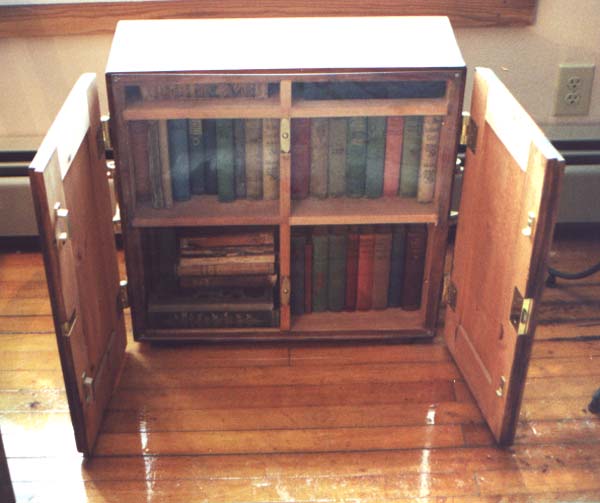
Lighthouses were often time located in remote areas and as such had no access to city services such as libraries, opera houses, entertainment, etc. that most people enjoyed who lived in a town or city. As light keeping was a lonely profession in most cases supplies were brought to them by lighthouse tender ships. One of the items the tender supplied was a library box on each visit as pictured to the left. Library boxes were filled with books and switched from station to station to supply different reading materials to the families.
Read more about the libraries here.
And for a great adventure story and taste of life in a lighthouse in the 19th century:
Labels:
Book Arts,
Books to Read,
Literacy
Friday, September 03, 2010
Handmade Books for Literacy

This is a fabulous project. Members of the North Redwoods Book Arts Guild in California made 1,000 small handmade books which are being sold for $1.00 each to benefit a local literacy program. They used what I call the hot dog booklet.
About the project:
Article in the Times-Standard
Book Arts Guild blog
How to make your own hot dog booklet:
Labels:
Book Arts,
Hot Dog Booklet,
Literacy
Wednesday, August 04, 2010
Yes to Summer Reading
The NY Times had an excellent article on the value of summer reading based on a three-year study of low-income children in Florida. Of particular importance was that the children were allowed to choose their own books.
From the article:
Ellen Galinsky, president of the Families and Work Institute and author of a new book about how children learn, “Mind in the Making,” said she hoped that the findings would encourage parents and teachers to allow children to select their own reading material.
“A child’s interests are a door into the room of reading,” said Ms. Galinsky, who said her own son turned away from books during grade school. Because he liked music, she encouraged him to read music magazines or books about musicians. Her son later regained an interest in reading and has a Ph.D.
One of the reasons I have become so involved family bookmaking is related to choice. Kids need to be able to write about what interests them and there is little time for that in most schools. By making books at home, they will have a place to pursue their own passions. Books about music and musicians for example.
And this article about summer reading reminded me of a letter I wrote to the editor of our local paper about summer reading. My complaint was that kids were assigned projects to do about their reading which totally missed the point of summer reading: pleasure. Note that my reference point for competition to reading is television. How far the screen has extended into our lives since then.
When the Summer Reading program was first introduced, I thought it was a good idea. It would keep kids reading and give them a chance to do it without the pressure of additional schoolwork and book reports. The summers flew by, the reading was often done at the end of the summer in anything but relaxed circumstances, but I still supported it. The last two years the program has expanded to include written responses to the books and a small project.This year the reading was enjoyable and finished on time. The selection of books has been a good one. But now we are faced with the written projects and I say let’s go back to just reading.
I had been questioning whether I was being a lazy parent. Am I going to send my child out unprepared to compete with the Japanese and Singaporean children because I don’t feel like nagging over the summer?
Our family vacation changed my mind. We all brought books with us. I read three novels, my husband one, and my seventh grader, one. For the adults, it was pure joy. The seventh grader couldn’t put his book down, but it was not pure joy. There was always this feeling that he should be writing a response, answering one of the questions provided. I thought how different my feelings would be if I knew I had to write written responses for the three books I read.
I think the Summer Reading Program should be the time to inspire students with the love of reading and if not love, at least a sense that reading can be a pleasurable experience. It is the time to help create lifelong reading patterns. One can argue that the kids can read additional books for pleasure, but the sad fact is, most won’t. Reading is in competition with television and television has the advantage. It’s easy; the images are provided. We just sit and absorb. Reading is work. We have to decode and comprehend the words and then create the images in our heads. When we’re comfortable with it, it gives us freedom. Until we are, it can be a struggle.
We cannot forget that this competition between books and television exists. By requiring written work only from reading, we give television an unfair advantage. Summer is the time to build the habit of reading for fun, the time to learn to see reading as a richer form of entertainment than television. Therefore, I urge the Newburyport Public Schools to eliminate the writing component from the Summer Reading Program. Evaluations of the students comprehension can be done in class at the start of the year. Let our children have the same pleasure we do for their summer reading.
From the article:
Ellen Galinsky, president of the Families and Work Institute and author of a new book about how children learn, “Mind in the Making,” said she hoped that the findings would encourage parents and teachers to allow children to select their own reading material.
“A child’s interests are a door into the room of reading,” said Ms. Galinsky, who said her own son turned away from books during grade school. Because he liked music, she encouraged him to read music magazines or books about musicians. Her son later regained an interest in reading and has a Ph.D.
One of the reasons I have become so involved family bookmaking is related to choice. Kids need to be able to write about what interests them and there is little time for that in most schools. By making books at home, they will have a place to pursue their own passions. Books about music and musicians for example.
And this article about summer reading reminded me of a letter I wrote to the editor of our local paper about summer reading. My complaint was that kids were assigned projects to do about their reading which totally missed the point of summer reading: pleasure. Note that my reference point for competition to reading is television. How far the screen has extended into our lives since then.
When the Summer Reading program was first introduced, I thought it was a good idea. It would keep kids reading and give them a chance to do it without the pressure of additional schoolwork and book reports. The summers flew by, the reading was often done at the end of the summer in anything but relaxed circumstances, but I still supported it. The last two years the program has expanded to include written responses to the books and a small project.This year the reading was enjoyable and finished on time. The selection of books has been a good one. But now we are faced with the written projects and I say let’s go back to just reading.
I had been questioning whether I was being a lazy parent. Am I going to send my child out unprepared to compete with the Japanese and Singaporean children because I don’t feel like nagging over the summer?
Our family vacation changed my mind. We all brought books with us. I read three novels, my husband one, and my seventh grader, one. For the adults, it was pure joy. The seventh grader couldn’t put his book down, but it was not pure joy. There was always this feeling that he should be writing a response, answering one of the questions provided. I thought how different my feelings would be if I knew I had to write written responses for the three books I read.
I think the Summer Reading Program should be the time to inspire students with the love of reading and if not love, at least a sense that reading can be a pleasurable experience. It is the time to help create lifelong reading patterns. One can argue that the kids can read additional books for pleasure, but the sad fact is, most won’t. Reading is in competition with television and television has the advantage. It’s easy; the images are provided. We just sit and absorb. Reading is work. We have to decode and comprehend the words and then create the images in our heads. When we’re comfortable with it, it gives us freedom. Until we are, it can be a struggle.
We cannot forget that this competition between books and television exists. By requiring written work only from reading, we give television an unfair advantage. Summer is the time to build the habit of reading for fun, the time to learn to see reading as a richer form of entertainment than television. Therefore, I urge the Newburyport Public Schools to eliminate the writing component from the Summer Reading Program. Evaluations of the students comprehension can be done in class at the start of the year. Let our children have the same pleasure we do for their summer reading.
Monday, April 26, 2010
Newburyport Literary Festival Report
I had a fabulous weekend at the Newburyport Literary Festival. In addition to all the great events, I had my friend since third grade, Nancy (pen name Nancy Butler), visiting from New York State. We began with the only unfortunate occurrence--missing the opening ceremonies with a conversation between Wally Lamb and Andre Dubus III which received rave reviews from all who did have seats. I did comfort myself with the thought that even if we had arrived at what I would have considered early, we would have been too late. We had a great time at the Author's Dinner and I was surprised and pleased to find that my basket which contained Handmade Books for A Healthy Planet along with materials and tools sold for $150!
Saturday was the big day. We both presented and attended workshops.
What we presented:
Handmade Books For A Healthy Planet: Wish Scroll
I gave a workshop based on a project from the new book: a wish scroll from Ethiopia. After a guided lesson in making scroll cases from film and other plastic containers and yarn and scrolls from grocery bags, the group, which included parents and children and adults on their own, decorated the cases and wrote their wishes on the scrolls. It was wonderful to be in a room with the gentle hum of creative activity.
Hooked on Classics: A Hip Approach to Old Material
A conversation with Nancy Butler, author of Marvel Comics Pride and Prejudice and the forthcoming Sense and Sensibility and Jenny Sawyer, the delightful presenter of 60 Second Recap, an internet video site which introduces the classics to teens in entertaining 60 second videos, moderated by me. We had a great conversation. Nancy and Jenny had both looked at each other's work online so it was an informed conversation as they discussed their motivations and processes.
What We Attended:
Kakapo Rescue: Heartbreak and Hope at the Edge of Survival with Sy Montgomery
In her illustrated talk about her trip to New Zealand to document the nesting of the almost extinct Kakapo parrots, Sy spoke with excitement and deep emotion about her experience. The fragility of the lives of the individual birds and the incredible care taken by a small group of humans to ensure the survival of the species is deeply moving. I think I was not the only one who had tears in my eyes at the end. Her book for children is illustrated with photographs by Nic Bishop.
Gina Barreca reads from Its Not That I’m Bitter: How I Learned to Stop Worrying about Visible Panty Lines and Conquered the World
Gina is a feminist theorist and humorist. This time the tears forming were from laughter. She is a sharp observer of life who is not afraid of the f word (feminist) and I look forward to reading her books.
Playing With Matches, a talk by Gregory Maguire
I had a brief chance to talk to Gregory Maguire and reminisce about the class in Victorian Children's Literature we were both in at Simmons College in the 1970s before his presentation. I had to leave early to give my workshop but was inspired and delighted by what I had time to hear, especially about the friends one gathers across time and space through reading.
Polyphony: Poets Read New England
I loved the group reading of an accessible selection of poems by 19th and 20th century New England poets by members of the Pow Wow River Poets. Each poem was read by multiple poets. I was moved by both the content of the poems and the musicality of the presentation.
Closing Ceremony Honoring The Writer’s Life
The festival closed with a reading from John P. Marquand's (a Newburyport resident during his life) The Late George Apley by Anita Shreve, a poetry reading by JD Scrimgeour accompanied on piano by Philip Swanson, and a reading of John Updike's short story, The Family Meadow, in the deep, rich voice of local resident Josiah Welch.
See a small selection of photos here.
Saturday was the big day. We both presented and attended workshops.
What we presented:
Handmade Books For A Healthy Planet: Wish Scroll
I gave a workshop based on a project from the new book: a wish scroll from Ethiopia. After a guided lesson in making scroll cases from film and other plastic containers and yarn and scrolls from grocery bags, the group, which included parents and children and adults on their own, decorated the cases and wrote their wishes on the scrolls. It was wonderful to be in a room with the gentle hum of creative activity.
Hooked on Classics: A Hip Approach to Old Material
A conversation with Nancy Butler, author of Marvel Comics Pride and Prejudice and the forthcoming Sense and Sensibility and Jenny Sawyer, the delightful presenter of 60 Second Recap, an internet video site which introduces the classics to teens in entertaining 60 second videos, moderated by me. We had a great conversation. Nancy and Jenny had both looked at each other's work online so it was an informed conversation as they discussed their motivations and processes.
What We Attended:
Kakapo Rescue: Heartbreak and Hope at the Edge of Survival with Sy Montgomery
In her illustrated talk about her trip to New Zealand to document the nesting of the almost extinct Kakapo parrots, Sy spoke with excitement and deep emotion about her experience. The fragility of the lives of the individual birds and the incredible care taken by a small group of humans to ensure the survival of the species is deeply moving. I think I was not the only one who had tears in my eyes at the end. Her book for children is illustrated with photographs by Nic Bishop.
Gina Barreca reads from Its Not That I’m Bitter: How I Learned to Stop Worrying about Visible Panty Lines and Conquered the World
Gina is a feminist theorist and humorist. This time the tears forming were from laughter. She is a sharp observer of life who is not afraid of the f word (feminist) and I look forward to reading her books.
Playing With Matches, a talk by Gregory Maguire
I had a brief chance to talk to Gregory Maguire and reminisce about the class in Victorian Children's Literature we were both in at Simmons College in the 1970s before his presentation. I had to leave early to give my workshop but was inspired and delighted by what I had time to hear, especially about the friends one gathers across time and space through reading.
Polyphony: Poets Read New England
I loved the group reading of an accessible selection of poems by 19th and 20th century New England poets by members of the Pow Wow River Poets. Each poem was read by multiple poets. I was moved by both the content of the poems and the musicality of the presentation.
Closing Ceremony Honoring The Writer’s Life
The festival closed with a reading from John P. Marquand's (a Newburyport resident during his life) The Late George Apley by Anita Shreve, a poetry reading by JD Scrimgeour accompanied on piano by Philip Swanson, and a reading of John Updike's short story, The Family Meadow, in the deep, rich voice of local resident Josiah Welch.
See a small selection of photos here.
Monday, February 15, 2010
Maryanne Wolf on Digital Media and Kids
Today's Boston Globe has an interview with Maryanne Wolf, director of Tufts University Center for Reading and Language Research about kids' overexposure to digital media.
She says
One of the biggest antidotes is going back ourselves with our children and having fun—no electricity allowed.
I say
Make books together!
She says
One of the biggest antidotes is going back ourselves with our children and having fun—no electricity allowed.
I say
Make books together!
Labels:
Literacy,
Web Explorations
Tuesday, April 28, 2009
Third Grade Books Inspired by David McPhail
Third grade students at the Bresnahan School in Newburyport, MA made books inspired by the books of David McPhail. Retired librarian Karen Twomey returned to the school to guide the children through an exploration of David McPhail's books and the creation of their own. The books were on display at the Newbuyrport Public Library as part of the 2009 Newburyport Literary Festival.
The books were made by following the directions for the hot dog booklet and adding a cover of construction paper. You can find directions for the hot dog booklet here and a youtube tutorial here.
You can see more photos here.
Labels:
Exhibits and Special Projects,
Literacy
Saturday, April 11, 2009
A Celebration of the Books of David McPhail
This year the Newburyport Literary Festival is honoring children's book author and illustrator David McPhail who grew up in Newburyport. The Firehouse has a wonderful exhibit of David's illustrations downstairs. Upstairs is a companion exhibit of work inspired by David's books by kindergarten students from the Brown School in Newburyport. The vibrant and varied illustrations were done under the guidance of school librarian Judy Avery. She began by introducing the children to David's books and then gave them additional time to view his books on their own. They watched a DVD about David and his development as an artist. When he was a child, he drew all the time, often on brown paper bags. To prepare for their final illustrations, the students followed his lead and did sketches on brown paper bags. They did their final drawings on white drawing paper in their choice of media.
The complete schedule of events at the Newburyport Literary Festival including events for children and young adults throughout the day.
David McPhail will be signing books in the Children's Room of the Newburyport Public Library from 2:30 to 3:45.
More photos from the children's exhibit
Labels:
Exhibits and Special Projects,
Literacy
Thursday, September 11, 2008
The Library/John Greenleaf Whittier
I am working on an installation for the Tenth Outdoor Sculpure Show at Maudslay State Park. I am using lines from the poems of John Greenleaf Whittier. I've read lots of his poems online at Project Gutenberg. I liked this poem written on the dedication of the Haverhill Library in because it describes some of the earlier forms of books.
THE LIBRARY.
Sung at the opening of the Haverhill Library, November 11, 1875.
"Let there be light!" God spake of old,
And over chaos dark and cold,
And through the dead and formless frame
Of nature, life and order came.
Faint was the light at first that shone
On giant fern and mastodon,
On half-formed plant and beast of prey,
And man as rude and wild as they.
Age after age, like waves, o'erran
The earth, uplifting brute and man;
And mind, at length, in symbols dark
Its meanings traced on stone and bark.
On leaf of palm, on sedge-wrought roll,
On plastic clay and leathern scroll,
Man wrote his thoughts; the ages passed,
And to! the Press was found at last!
Then dead souls woke; the thoughts of men
Whose bones were dust revived again;
The cloister's silence found a tongue,
Old prophets spake, old poets sung.
And here, to-day, the dead look down,
The kings of mind again we crown;
We hear the voices lost so long,
The sage's word, the sibyl's song.
Here Greek and Roman find themselves
Alive along these crowded shelves;
And Shakespeare treads again his stage,
And Chaucer paints anew his age.
As if some Pantheon's marbles broke
Their stony trance, and lived and spoke,
Life thrills along the alcoved hall,
The lords of thought await our call!
THE LIBRARY.
Sung at the opening of the Haverhill Library, November 11, 1875.
"Let there be light!" God spake of old,
And over chaos dark and cold,
And through the dead and formless frame
Of nature, life and order came.
Faint was the light at first that shone
On giant fern and mastodon,
On half-formed plant and beast of prey,
And man as rude and wild as they.
Age after age, like waves, o'erran
The earth, uplifting brute and man;
And mind, at length, in symbols dark
Its meanings traced on stone and bark.
On leaf of palm, on sedge-wrought roll,
On plastic clay and leathern scroll,
Man wrote his thoughts; the ages passed,
And to! the Press was found at last!
Then dead souls woke; the thoughts of men
Whose bones were dust revived again;
The cloister's silence found a tongue,
Old prophets spake, old poets sung.
And here, to-day, the dead look down,
The kings of mind again we crown;
We hear the voices lost so long,
The sage's word, the sibyl's song.
Here Greek and Roman find themselves
Alive along these crowded shelves;
And Shakespeare treads again his stage,
And Chaucer paints anew his age.
As if some Pantheon's marbles broke
Their stony trance, and lived and spoke,
Life thrills along the alcoved hall,
The lords of thought await our call!
Labels:
Literacy,
Poetry,
Reflections
Thursday, August 14, 2008
Literacy and Family Bookmaking

I was recently having discussions with a parent about doing a Family Literacy Night at her child's school. When she presented the idea of a bookmaking workshop with me to the committee, one person said that she didn't understand what making books had to do with literacy. She convinced them and the workshop will go on. I am so close to the subject and so passionate about it, I realized I didn't even have an answer except: of course they have everything to do with each other.
I decided I need to search the internet for some further information. Teachingmatters.org gave me just what I was looking for in their information about Balanced Literacy.
Balanced literacy is an approach for teaching literacy that is widely used in classrooms across the country. It involves several methods of teaching and learning reading and writing, whole class instruction directed by the teacher with independent work in reading, writing, and oral language. By integrating a variety of approaches, a balance is achieved in which students learning to understand text (from a whole language approach) as well as how to read text (from a phonics approach).
The section that I think particularly pertains to making books with children in general and family workshops in particular is:
Independent Writing
Integral to the process is independent writing, which provides students with the consistent opportunity to apply and practice the skills already introduced and to cultivate their love of and comfort with writing on their own level.
In order to get good at writing, just as in order to get good at reading, quantity is important as well as quality. I was a big reader as a child and read Little Women and a lot of the classics, but I also read every Bobbsey Twins, every Nancy Drew, and lots of Cherry Ames and that was where I got to be comfortable with reading. With writing it is the same. We need to learn sentence and paragraph structure and grammar, but we also need to learn to take joy in writing, to express ourselves with freedom and abandon. I can't remember ever seeing a child make a book and not want to write in it immediately. The handmade book sets the stage for the writing experience
Extending bookmaking out of the classroom and into the home is a logical next step. With all the material that teachers are required to cover during the school year, finding time for children to write for pleasure about the things they care about can be difficult. I feel that now, more than ever, teachers and schools need the support of parents at home. But it shouldn't just be about memorizing multiplication facts and doing worksheets. The home can be a place where creative learning happens. And the wonderful thing is that parents will find that their own lives will be enriched in the process. They often tell me how relaxed they feel after one of my family bookmaking workshops.
When I started using recycled materials for my workshops, I had two reasons. One was environmental: to consume less. The other was to make bookmaking easy to continue at home. With no special papers or materials to purchase, it is inexpensive and easy to get started. I have since discovered that it is also liberating, especially to adults. While children are very free about writing in the books they create, adults are often afraid. What if I mess it up?, they think. With recycled materials, it doesn't matter; they have only used paper that was going to the recycle bin.
We can improve literacy and all grow as writers, readers, and creative human beings at the same time.
I offer Family Workshops to schools and libraries in Massachusetts and southern NH and Maine.
Labels:
Literacy,
Reflections
Subscribe to:
Posts (Atom)